.webp)
Shoreline erosion is a common challenge for property owners living near lakes, rivers, or coastal waters. Over time, the natural movement of water can eat away at the land. Consequently, it can threaten structures, reduce property value, and impact the surrounding environment. To prevent this, shoreline stabilization methods are used—and they fall into two categories: hard and soft stabilization. It’s important to understand the differences between these two approaches so that you choose the best method for your property and long-term needs.
In today’s blog post, our experts provide you with a comparison between hard and soft shoreline stabilization. Here at Aquatic Restoration, we pride ourselves on providing professional lake and pond management services. When you’re in need of reliable shoreline stabilization, we are the experts to call.
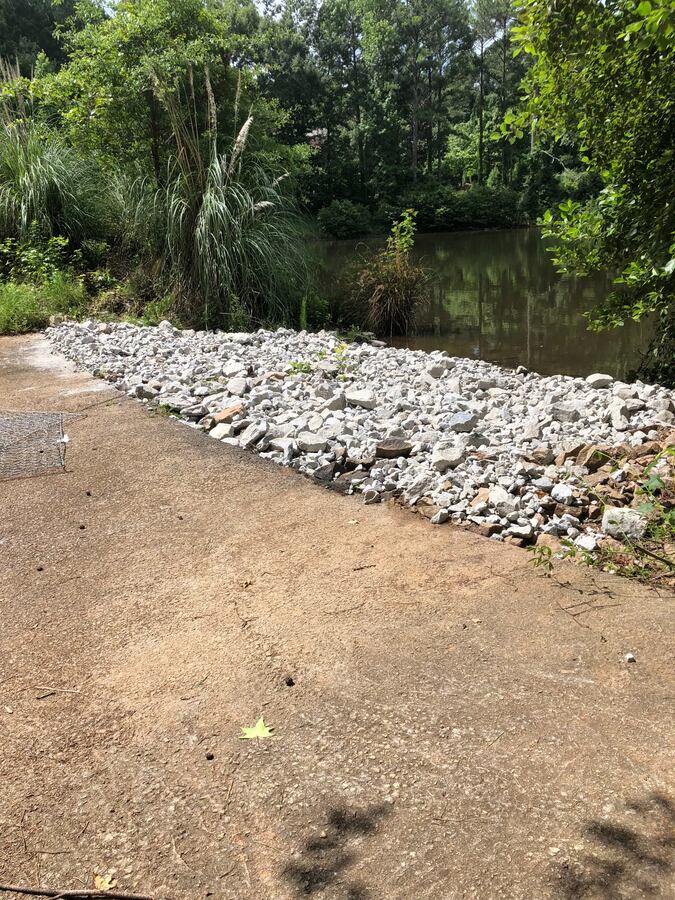
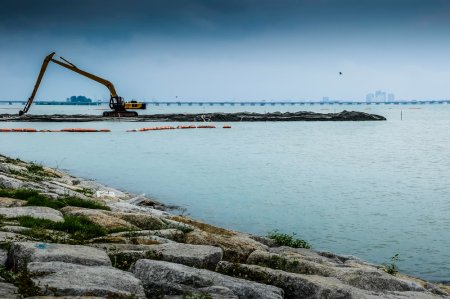
Hard shoreline stabilization uses durable, man-made materials to create a strong physical barrier between the water and the land. Common examples include:
These structures are designed to absorb and deflect the energy of waves and currents. They prevent erosion and protect the shoreline from direct impact. Hard stabilization is used in areas with high wave energy, frequent storms, or where critical infrastructure—like homes, roads, or docks—needs immediate protection.
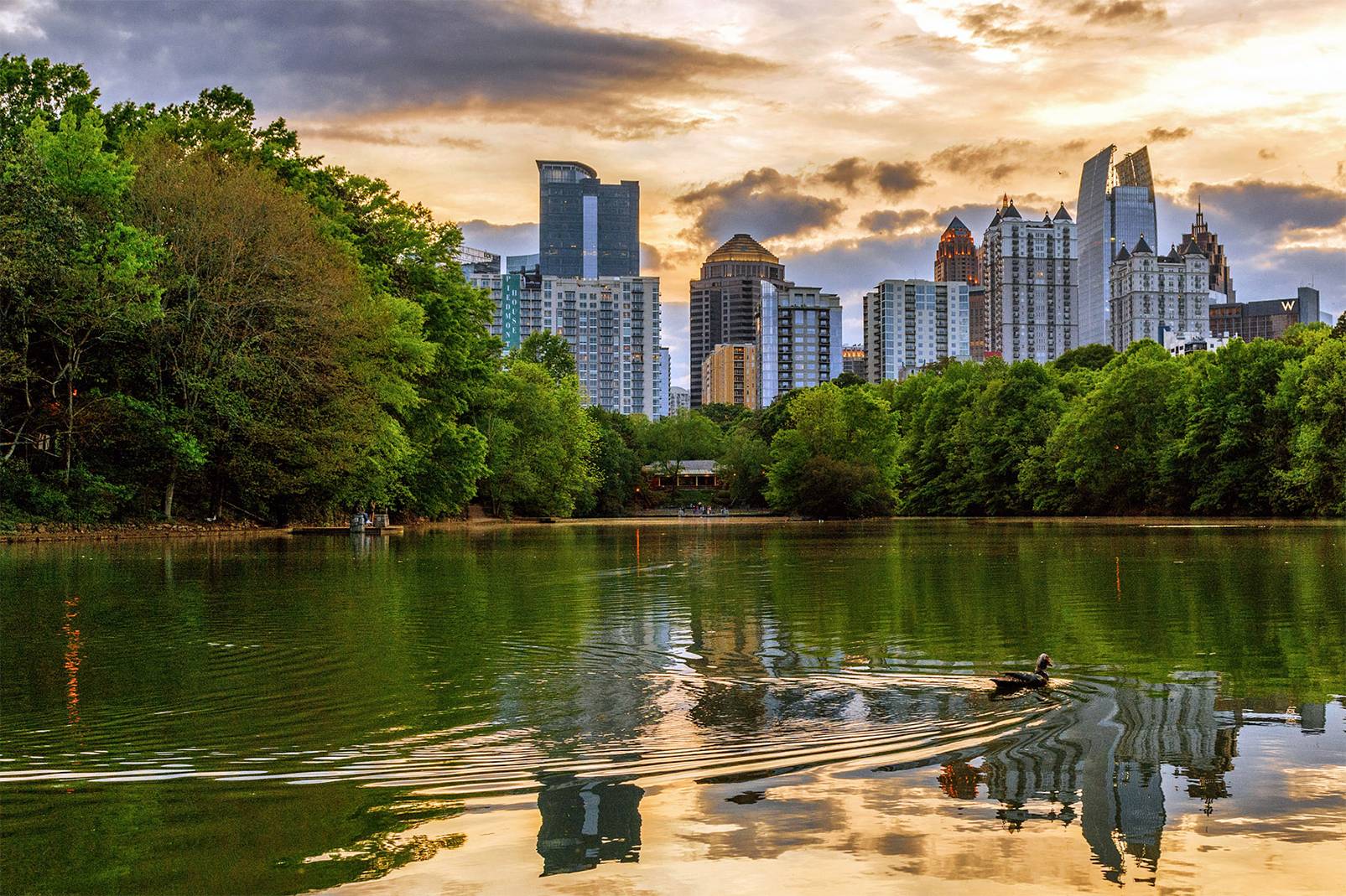
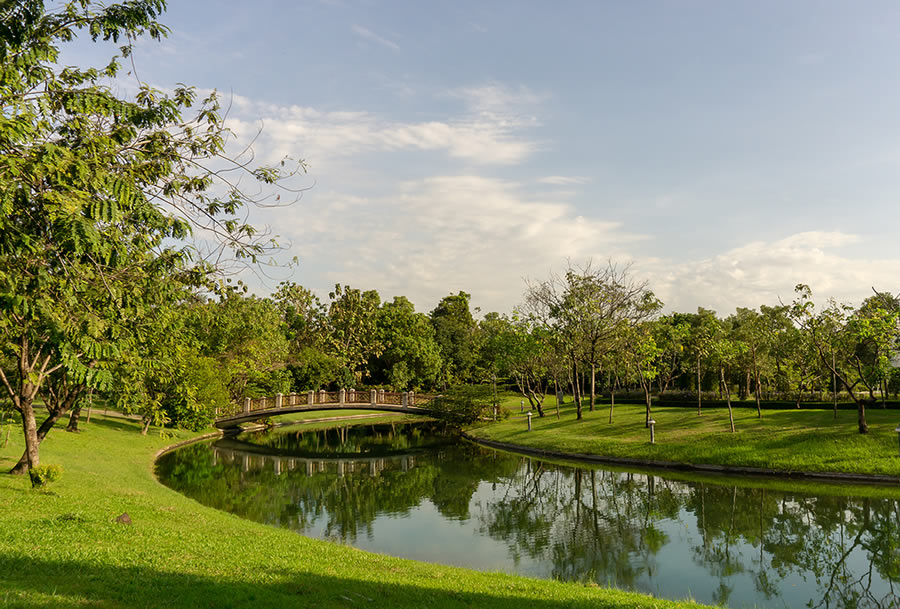
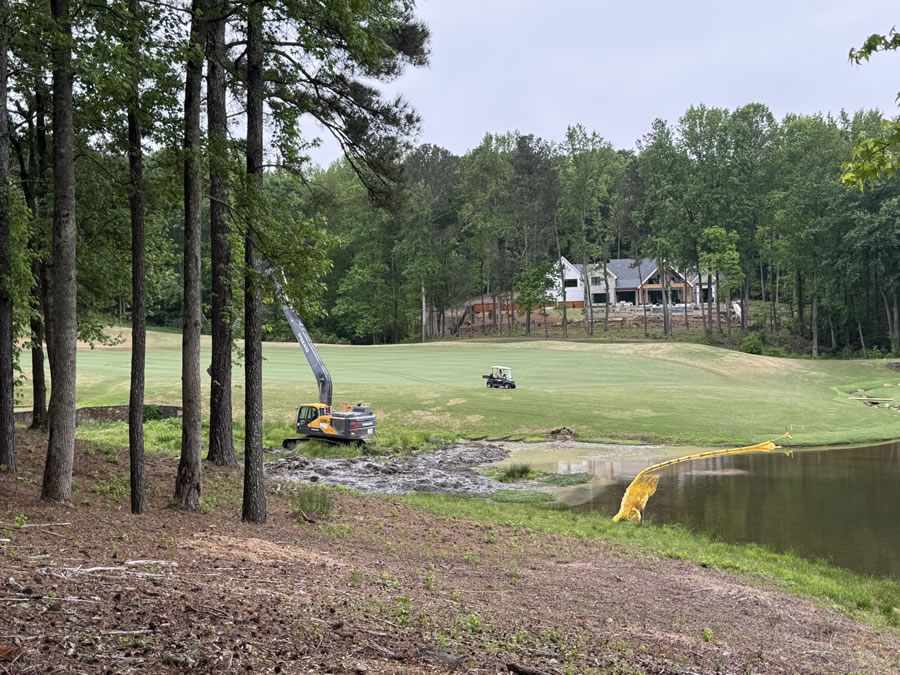
Soft shoreline stabilization takes a more natural approach, working with the environment rather than against it. This method often uses vegetation, biodegradable materials, and other techniques that mimic natural shoreline processes. Common soft stabilization strategies include:
Soft stabilization allows for gradual wave absorption, filters runoff, and supports local wildlife. It's particularly effective in low- to moderate-energy environments and in areas where maintaining ecological balance is a priority.
The decision between hard and soft shoreline stabilization depends on several factors, including the energy level of your shoreline, your budget, environmental goals, and local regulations. In some cases, a hybrid approach—using both hard and soft techniques—can offer the best of both worlds: strong protection with added environmental benefits.
If your property is in an area with aggressive wave action or is at immediate risk of structural damage, a hard solution might be necessary. However, if your shoreline experiences moderate erosion and you value ecological preservation, a soft stabilization method can be an effective and sustainable choice.
You’ll need shoreline stabilization services if you’re experiencing visible erosion, collapsing banks, poor drainage, or dying vegetation. If you’re seeing any of these signs, call the team at Aquatic Restoration for professional assistance. From installing riprap or seawalls to using bioengineering methods like native plant buffers, we’ll provide reliable solutions that will meet your property’s needs. Stabilizing your shoreline early can prevent larger, more expensive problems down the road—and help protect the beauty and function of your waterfront for years to come. We also offer lake dredging in Athens, GA, siphon installation, spillway renovation, retention pond maintenance, and many more.
All lakes fill up with mud over time, often accelerated by erosion and runoff, organic decomposition, and human activity. Some…
Like streams, rivers, and oceans, lakes and ponds have unique needs that must be met for them to thrive.…

Lake management offers incredible benefits, including improved water quality, ecological balance, enhanced recreation, and more. But how much can you…
Ponds and lakes go through a lot, whether it be during winter or warm weather. Over time, water bodies accumulate…
.webp)
Water quality monitoring should be an important part of